
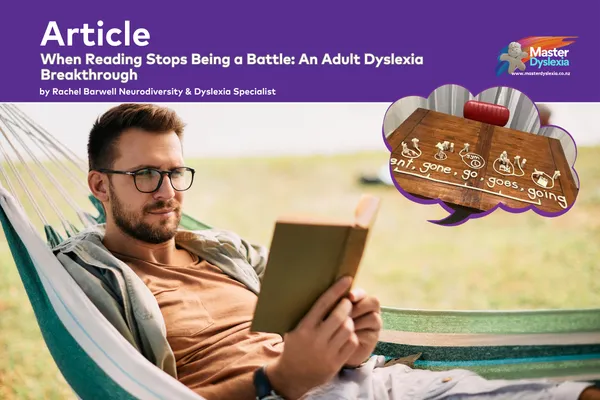
When Reading Stops Being a Battle: An Adult Dyslexia Breakthrough
An adult dyslexia success story revealing how the right support transforms reading, writing, and workplace confidence, highlighting why dyslexia is a different way of thinking, not a lack of ability.
Sign 5: Spelling & Written Expression Challenges — When the Words Don’t Come Out the Way They’re Meant To
Spelling and writing can feel overwhelming for people with dyslexia. In this final article of the 5 Signs of Dyslexia series, discover why written expression is so hard, how it shows up at any age, and why understanding it brings relief.
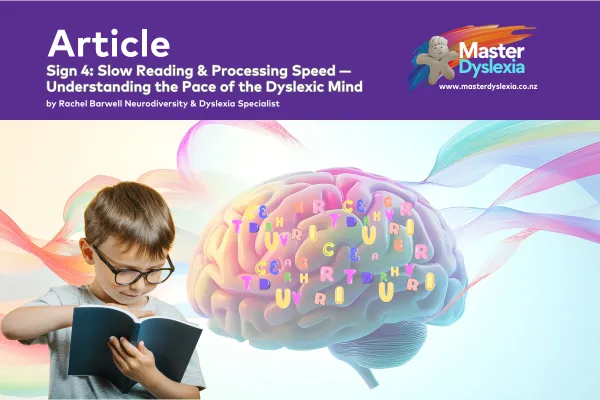
Slow Reading & Processing Speed — Understanding the Pace of the Dyslexic Mind
Slow reading and processing don’t mean someone isn’t capable. They simply reflect a different cognitive rhythm. Recognising this sign of dyslexia helps reduce pressure and support true ability.
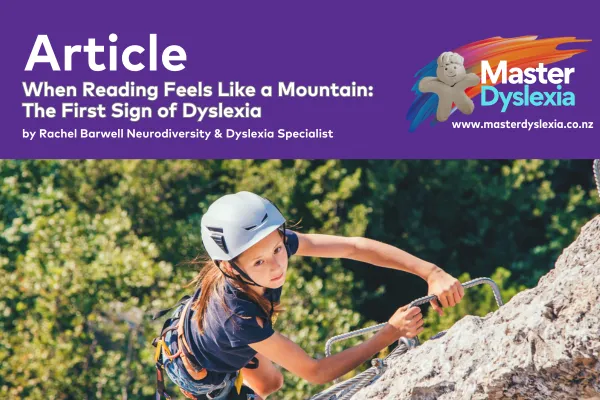
When Reading Feels Like a Mountain: The First Sign of Dyslexia
When reading feels like a battle, it’s easy for a child to believe they can’t do it. But what if the problem isn’t effort, it’s approach? This week’s article explores the first sign of dyslexia: reading fluency challenges, and how meaning, not memorisation, opens the door to understanding. Read on to discover how connection turns confusion into confidence.

Understanding Maths Dyslexia (Dyscalculia)
Struggling with numbers doesn’t mean you’re not smart — it might mean your brain works differently. In this insightful article, When Numbers Just Will Not Add Up: Understanding Maths Dyslexia (Dyscalculia), education specialist Rachel Barwell of Master Dyslexia explores what dyscalculia really is, how it affects children and adults, and why traditional teaching methods often fail those with this learning difference. Discover the signs of maths dyslexia, the emotional toll it can take, and how tailored, multi-sensory support can rebuild confidence and transform learning.



Professional services described as Davis™, including Davis Mastery for Dyslexia®, Davis™ Symbol Mastery, Davis™ Orientation Counseling, Davis™ Mastery for Attention, Davis™ Mastery for Maths, and Davis™ Foundations for Learning Literacy may only be provided by persons who are trained and licensed as Davis Facilitators or Specialists by Davis Dyslexia Association International.